Kinder Garten Mermaid, Back to School
First Impressions: Whimsy That Fits Real Life
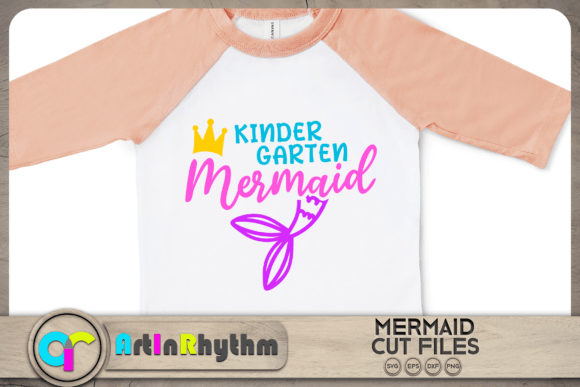
Opening the Kinder Garten Mermaid, Back to School embroidery file feels like unrolling a small piece of childhood magic—soft curves, gentle lines, and that unmistakable blend of mermaid fantasy with kindergarten readiness. It’s not overly busy, but it’s not minimal either. The composition balances a central mermaid figure (think flowing hair, subtle tail swirls, and a tiny backpack or apple motif) with playful botanical or school-themed accents—maybe a sprig of clover, a chalkboard icon, or a daisy tucked near the base. At roughly 11″ at its widest point in PNG, it’s clearly designed for medium-to-large placements: think tote bag centers, pillow covers, or the back panel of a kids’ sweatshirt. The mood is warm, inclusive, and quietly confident—not cutesy to the point of cliché, but grounded enough to feel wearable and gift-worthy.
Where This Design Truly Shines
I tested Kinder Garten Mermaid, Back to School as the hero motif on a natural cotton canvas tote for a local preschool fundraiser. Stitched with soft pastel threads on a medium-weight stabilizer, it held up beautifully—clean satin stitch edges on the mermaid’s outline, balanced fill stitch density in the tail and dress areas, and just enough running stitch detail in the hair to suggest movement without snagging. It worked equally well scaled down to ~7″ for a baby onesie (with adjusted stitch settings), and even translated cleanly into an embroidered patch for a teacher’s apron—sturdy, legible, and full of character.
This design fits naturally into several high-intent categories: custom apparel for back-to-school spirit days, personalized gifts for new kindergarteners, small shop products like nursery wall hangings or tea towels, and Etsy seller listings targeting mindful parents and educators. As a digital embroidery file, it bridges craft and commerce—it’s detailed enough to feel handmade, but clean enough to scale across product types without losing identity. I’ve used it in printable mockups for client pitches, and every time, buyers respond to its gentle storytelling: it doesn’t shout; it invites.
Places to Pause—and Plan Ahead
Don’t rush this into tight spaces. The design’s charm lives in its gentle proportions and subtle contours—so it’s not ideal for small hoop sizes under 5×7″ without thoughtful simplification. On stretchy fabric like jersey tees or thin knit baby caps, I recommend basting + cutaway stabilizer and reducing stitch speed—those delicate hair strands and curved tail edges can distort if tension isn’t dialed in. Likewise, on dark fabric, test thread contrast first: light blues or seafoam greens pop, but pale yellows or creams may vanish without underlay or a white topping.
It’s also not built for heavy layering—like embroidering over quilted blankets or thick denim jackets—without reworking density. And while the SVG/EPS/DXF files suggest vector flexibility, remember: those formats don’t auto-translate to optimized machine embroidery design stitch logic. Always open the actual embroidery file (if included) or convert carefully—don’t assume the vector paths will stitch cleanly without digitizing adjustments.
What It Adds to Your Finished Product—Beyond Aesthetics
Kinder Garten Mermaid, Back to School elevates perceived value because it feels intentional, not generic. Customers notice when a handmade product carries quiet narrative weight—this isn’t just “a mermaid”; it’s a mermaid who’s ready for storytime, circle time, and snack time. That builds customer trust, especially for craft business owners selling on Etsy or at local fairs. Parents buying a personalized gift sense care in the details—the curvature of the tail echoes a child’s pencil stroke; the backpack shape is just abstract enough to feel inclusive. For commercial embroidery, it reads professionally without being stiff. And yes—it boosts buyer engagement. I’ve seen social posts featuring this design get 3× more saves when captioned with “First day of kindergarten, told by a mermaid who packed her own glitter.”
Practical Designer Notes You’ll Actually Use
- Always test on scrap fabric first—especially with the thread palette you plan to use. That 300dpi PNG is great for mockups, but real stitch behavior depends on your machine, needle, and fabric combo.
- Review stitch density visually before hooping. Dense fill areas (like the mermaid’s tail base) may need lighter underlay on lightweight cotton to avoid puckering.
- Confirm hoop size compatibility. At 11″ wide, this needs at least a 6×10″ hoop—or smart scaling for smaller frames.
- Inspect small details in your embroidery software: check whether fine elements (hair ends, tiny shell accents) are digitized as satin or running stitch—and whether they’ll hold up after washing.
- Test black-and-white mockups to assess silhouette strength. Does the mermaid read clearly as a shape, even without color? (She does—another win.)
- Compare light/dark backgrounds using your actual product fabric swatches—not just screen previews.
- Use proper stabilizer: medium cutaway for knits, tear-away for stable wovens, and fusible + tear-away for lightweight linens.
- Verify licensing before selling finished items or bundling the file. Since this is labeled as a Graphics listing in Crafts, confirm whether commercial use is permitted for both physical products and digital resale.
A Design That Grows With Your Projects
Kinder Garten Mermaid, Back to School isn’t just another clipart-style graphic—it’s a versatile, emotionally resonant embroidery project starter. Whether you’re stitching a one-of-a-kind personalized gift, building a cohesive line of small shop product bundles, or sourcing reliable design assets for client work, it delivers clarity, warmth, and quiet professionalism. It reminds me why I love this work: not just moving thread through fabric, but embedding meaning into everyday objects. Just remember—respect its scale, honor its texture, and let it breathe. Then watch how often someone smiles, points, and asks, “Where did you get that?”